Look beyond the setting
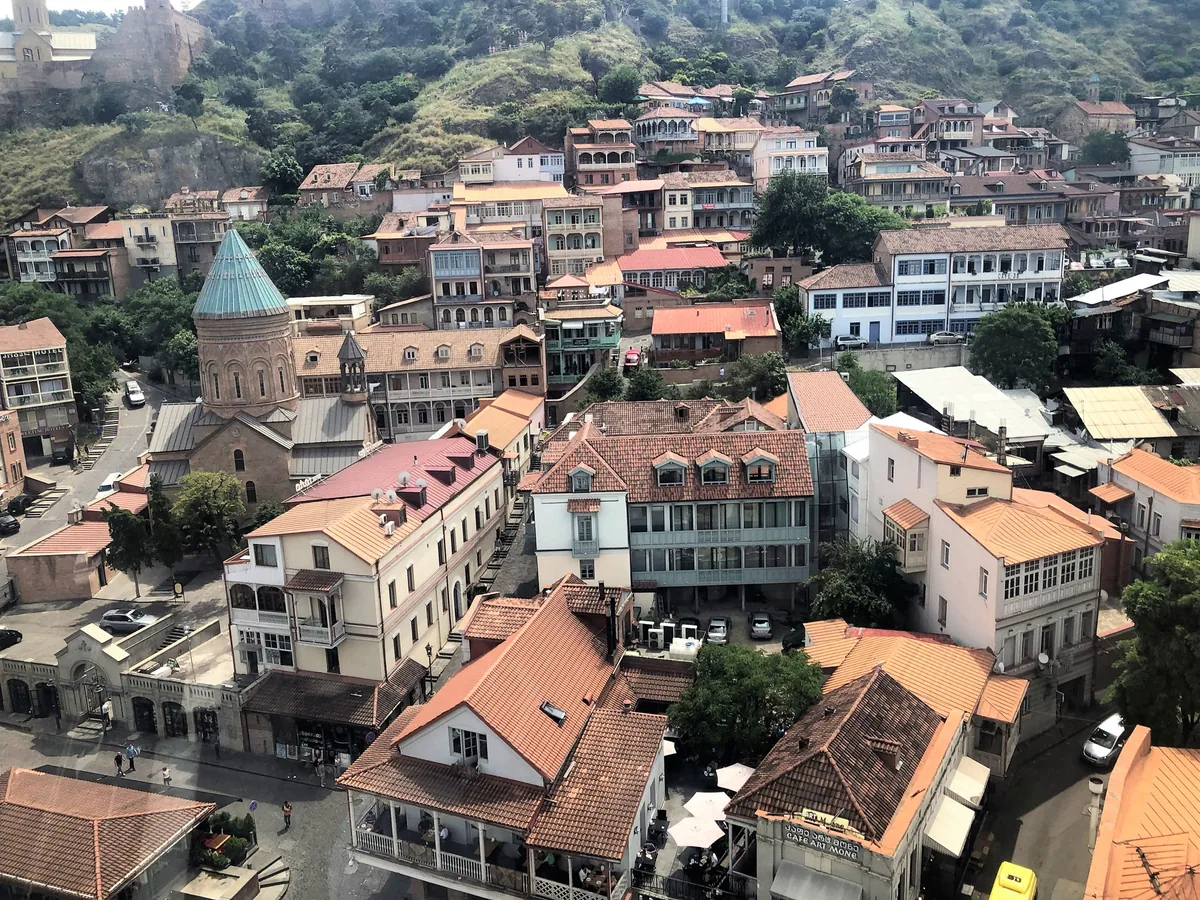
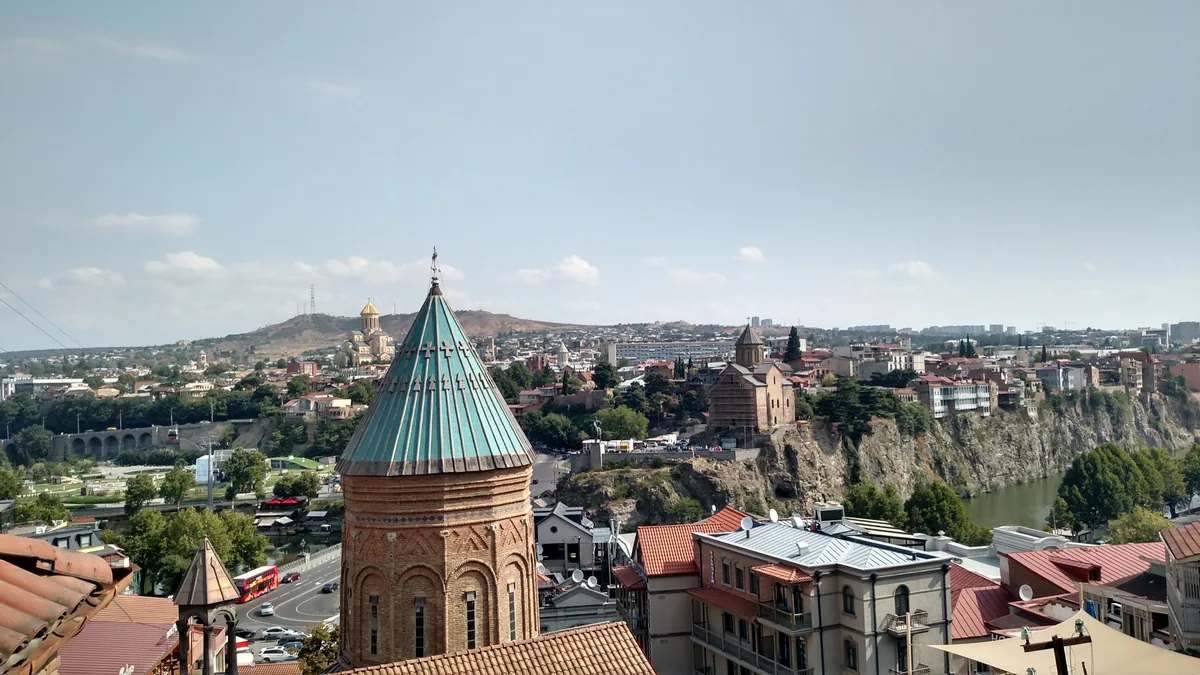
Georgia’s churches and monasteries belong to striking landscapes, but their meaning does not end at the viewpoint. A mountain church, a rock-hewn monastic complex and a hilltop monastery offer different ways to understand the country’s faith, architecture and history. Gergeti, David Gareja and Jvari make a useful first selection. Plan each as an individual visit rather than assuming they fit the same day or offer the same access.
Gergeti above Stepantsminda
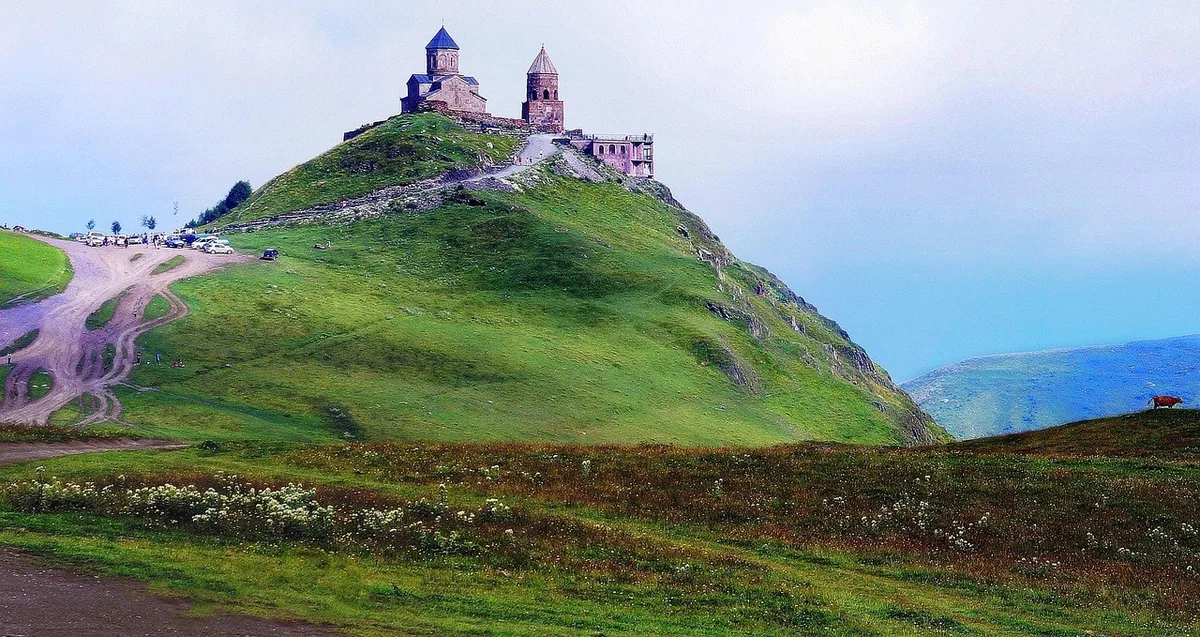
Gergeti Trinity Church is the familiar church-and-mountain image associated with Kazbegi. Georgia Travel describes it as a fourteenth-century monument near Stepantsminda, with a church and bell tower forming the architectural ensemble. Make time to look at the building, not only to find the place where the photograph matches the postcard.
Choose how you will reach the site and return, and discuss the actual walking involved. Current weather and road conditions matter even when a photograph makes the route look simple. A church visit is also different from a guided hike or a mountain ascent. Our Kazbegi guide helps separate those choices and prepare a sensible mountain day.
David Gareja in the semi-desert
Also written Davit Gareja, this monastic complex brings a very different landscape into the journey. The tourism authority describes rock-hewn caves across the Gareja hills and a foundation associated with David Garejeli in the sixth century. The wider complex includes several monastic sites and important religious art; it should not be imagined as one room or one entrance covering every place mentioned in an old travel story.
Ask which specific parts are currently accessible, what route is permitted and what terrain the proposed visit involves. Do not use an old photograph of a ridge or cave interior as evidence that it can be reached now. Confirm local and official instructions close to departure, follow restrictions at the site and avoid walking into a closed or marked-off area. An exposed semi-desert outing needs its own clothing, water, transport and return plan.
Jvari above Mtskheta
Jvari stands above Mtskheta, with a setting that helps explain why the monument is so often photographed. Georgia Travel describes the cross-domed church’s early medieval architecture, while UNESCO places Jvari within the Historical Monuments of Mtskheta property alongside Svetitskhoveli and Samtavro. These are connected by heritage, but remain separate places to visit.
Give Jvari its own approach and visiting time before continuing to the town. If you want interpretation, arrange a guide and the language in advance; transport alone should not be assumed to include a historical tour. The Mtskheta and Jvari guide develops a manageable heritage outing without treating the town and hilltop as one walking circuit.
Visit as a guest
Follow each church’s current dress and entry instructions, keep your voice low and leave space for people praying. Ask before photographing an interior, icons, clergy or worshippers. Some areas of a monastic complex may be private or closed even when another part welcomes visitors. Our cultural etiquette guide explains the practical questions to ask without assuming every religious site follows an identical visitor routine.
Make the route meaningful
Choose the places around your wider itinerary. Mtskheta can form a focused heritage outing from Tbilisi; Gergeti belongs to a northern mountain plan; David Gareja needs a separate assessment of the semi-desert journey and current access. Elsewhere, the heritage of Kutaisi and its nearby monasteries or Kakheti’s religious landmarks may suit the route better. A tailored itinerary enquiry should explain your interests, walking needs, dates and whether you want guiding, transport or both. Select fewer places when that gives you time to understand them.
Good to know.
Can I assume every cave or ridge at David Gareja is accessible?
No. Confirm the specific parts and permitted route close to departure, follow local and official instructions, and do not rely on an old photograph or itinerary as proof of access.
Do these three places belong in one day trip?
They represent different journeys. Build the route around your base, available time, conditions and interests rather than trying to combine every landmark in one day.