Start with curiosity
Cultural etiquette is most useful when it helps you pay attention, not when it turns every encounter into a test. Georgia’s people and communities are not all the same. Begin with a greeting, listen to the person in front of you and ask when you are unsure. A little preparation makes it easier to enjoy the conversation, the meal or the visit without relying on a list of stereotypes.
A greeting goes a long way
Georgia Travel recommends learning simple Georgian greetings, including gamarjoba for hello. Use the language as an effort to connect, then ask which language makes communication easiest. Follow the other person’s lead with physical greetings rather than assuming a handshake, hug or kiss is expected. A calm introduction and a clear question are more useful than performing a phrase you do not understand.
Be a considerate guest
If invited into a home, ask about shoes and where to leave coats or bags instead of treating one household’s practice as a national rule. Check before entering rooms, opening doors or photographing a private space. An invitation is an opportunity to spend time with people, not an automatic request for an inside view of their daily lives. Explain any dietary requirements or timing limits early, and thank the host in a way that feels sincere.
Follow the table’s rhythm
A supra is a shared feast with a tamada guiding the toasts. Georgia Travel describes listening to the toastmaster and waiting for the first toast before drinking. Give the speaker your attention, avoid talking across a heartfelt toast and ask a host if you do not understand the sequence. You can be present in the occasion without treating alcohol or the size of a portion as a challenge. Make your own preferences clear; hospitality is not a reason to ignore an allergy, a personal boundary or a need to leave.
Our Georgian food and supra guide introduces the dishes and the social setting. At a restaurant, check the actual ingredients and ask how much food makes sense for your group. A dish name alone cannot explain every regional or kitchen variation.
Prepare for a church visit
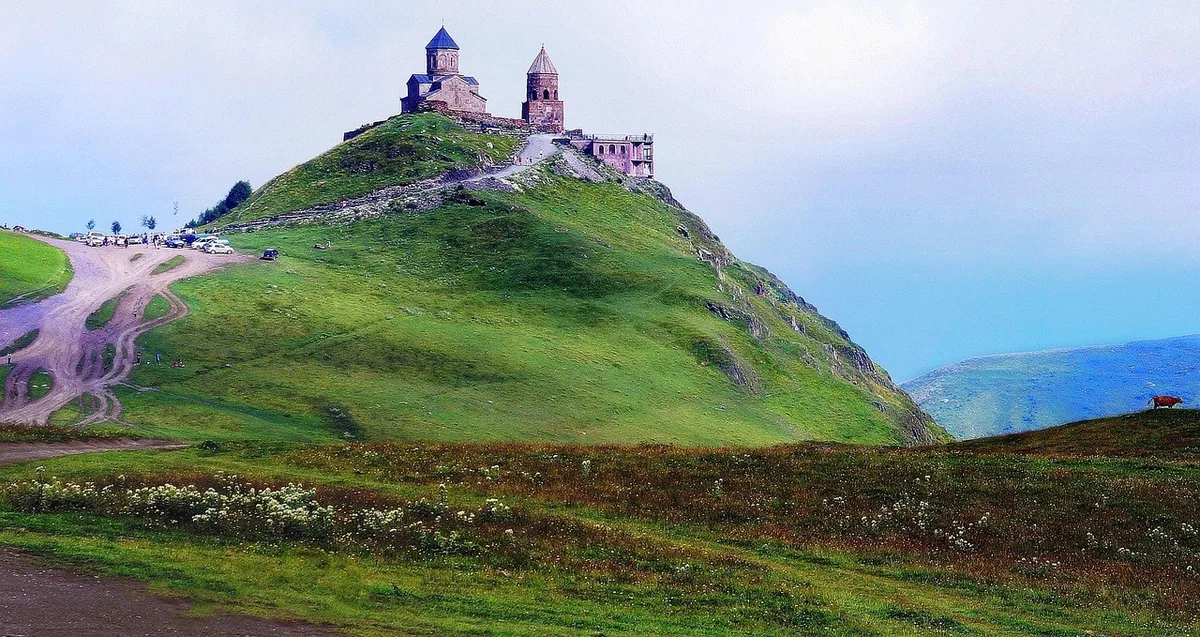
Churches and monasteries can be active places of worship as well as heritage destinations. Dress and behave so you can follow the site’s instructions. Carry an adaptable layer or scarf if religious visits are part of the day, and check the guidance at the entrance. For example, Georgia Travel’s Mzovreti page describes head covering for women, no head covering for men and avoiding shorts. Keep that example specific; each place may give its own instructions.
Lower your voice, silence your phone and leave space for worshippers. Do not treat a service as a performance organised for visitors. If you are uncertain where to stand or whether a room is open, ask before moving further inside.
Ask before the photograph
The tourism authority specifically advises asking before taking pictures inside churches. Ask separately about interiors, artwork and people rather than treating an exterior photograph as permission for everything else. The same courtesy works in a family gathering, courtyard or small shop. If someone declines, put the camera away without turning the refusal into a conversation. Enjoying a place does not depend on recording every part of it.
Leave room for real people
Be thoughtful when a conversation reaches religion, history or politics; listen rather than assuming everyone shares the same view. Confirm meeting times and practical arrangements directly instead of using a cultural stereotype as an excuse to be late. If a misunderstanding happens, a simple question and willingness to adjust usually help more than insisting on something read online. For a heritage outing, continue with our churches and monasteries guide and plan the day around the places and people you will actually visit.
Good to know.
Do I have to drink alcohol to be a polite guest?
Be attentive to the occasion and make your own preference clear. Respectful participation does not require treating alcohol, food or personal boundaries as a test.
Can I take photographs inside every church?
No. Ask before photographing an interior and follow the site’s signs and instructions. Ask separately before photographing worshippers or a service.