Start with a table to share
A good first Georgian meal is a conversation between dishes. Order a few things for the table, taste them together and leave room to follow a recommendation from the kitchen. The most useful question is often which version the cook makes, rather than which dish appears on every visitor’s list.
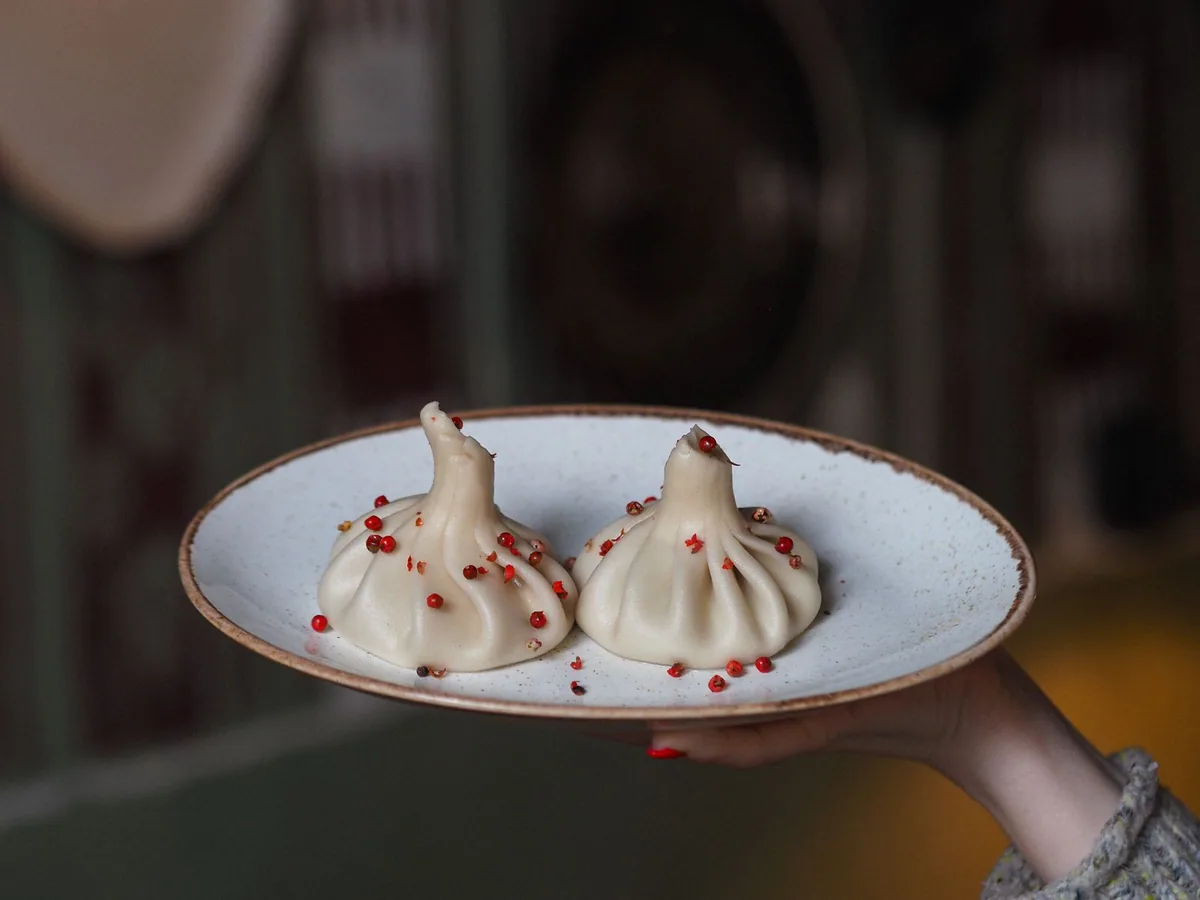
Khachapuri is cheese-filled bread with regional identities. Imeretian khachapuri is round; the familiar Adjarian version is boat-shaped. Khinkali are filled dumplings associated with Georgia’s mountain regions. Ask about the filling and portion size before ordering: a plate of dumplings and a rich cheese bread can already be a substantial meal.
Look beyond the famous two
Pkhali brings vegetables together with a seasoned walnut mixture. A mixed plate makes an inviting start because colours and ingredients vary from one preparation to another. It can sit beside bread, pickles and other shared appetisers instead of being treated as a token side dish.
Use a short menu as an invitation to ask questions. What is being cooked today? Which herbs are in season? Is this a regional dish or the restaurant’s own version? If you have an allergy or dietary requirement, check the actual ingredients and preparation directly with the kitchen; the name of a dish is not an ingredient guarantee.
Understand the supra
A supra is a communal feast, with a tamada guiding the toasts and the flow of the gathering. Food, conversation, stories and sometimes song belong together. It is a social occasion rather than simply a large restaurant order.
If you are invited, follow the host’s lead, listen to the toasts and make your own preferences clear. You can join a meal without treating drinking as a competition. Ask before photographing a private family gathering, and give the people at the table more attention than the picture you hoped to take.
Build food into the journey
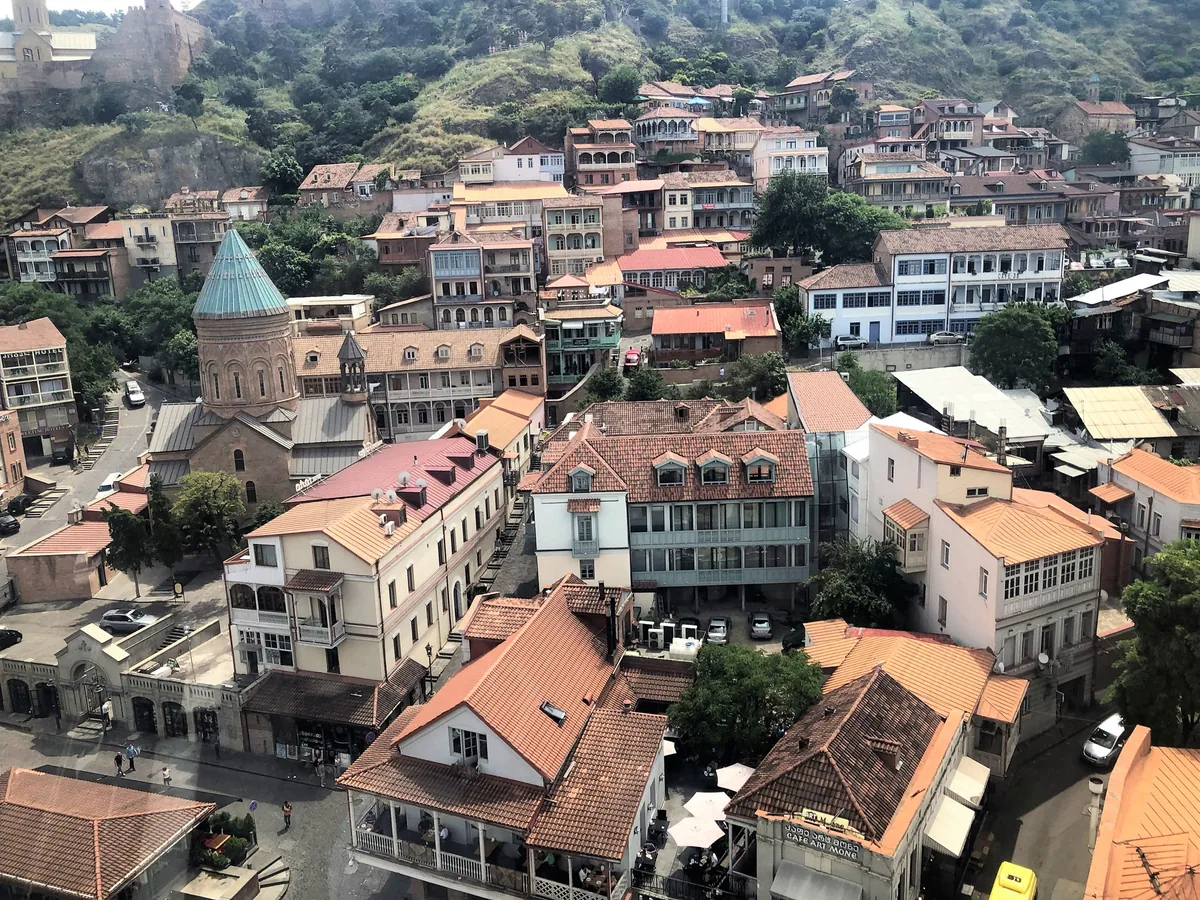
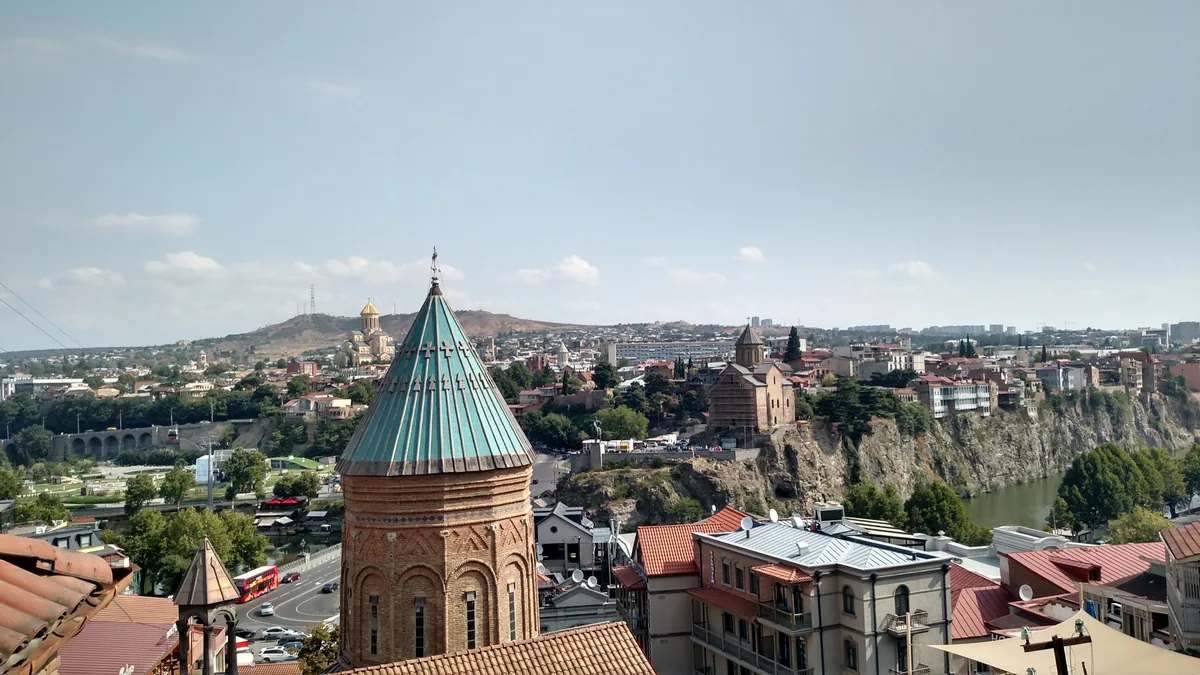
Give one meal its own place in the day instead of fitting every stop around sightseeing. In Tbilisi, pair a neighbourhood walk with a leisurely lunch. In Kakheti, decide whether the day is about a cellar visit, a meal with a host or both, and confirm what is included before you travel.
For help shaping a food-focused trip, describe the kind of experience you want, your dietary needs, dates and group size in a tailored itinerary enquiry. That gives the team a useful starting point for checking hosts and arrangements.
Wine has its own story
Qvevri are clay vessels used in Georgian winemaking. The National Wine Agency explains how grape juice and grape material are fermented and aged in these vessels, with regional variations in the method. Learning the name gives you a useful question for a host: how was this particular wine made, and which grapes were used?
For a visit beyond the table, read our Kakheti wine-country guide. Choose the cellar, food and pace that interest the group, including anyone who is not drinking. A wine visit should have a transport plan as well as a tasting plan.
Good to know.
Is Georgian food only meat and cheese?
No. Pkhali and other vegetable preparations are part of the cuisine too. Ask the kitchen about the actual ingredients, especially walnuts, dairy and other allergens.
Can I request a food experience through ExploreGE?
Yes. Tell us whether you want a restaurant meal, cooking experience or host-led table, together with dates and dietary requirements. The arrangement and price are confirmed separately.